The Catalyzing Impact of George Floyd’s Death on Criminal Justice Reform

By: Matt Davis

Community Engagement Racial and Ethnic Disparities Young Adults July 12, 2021

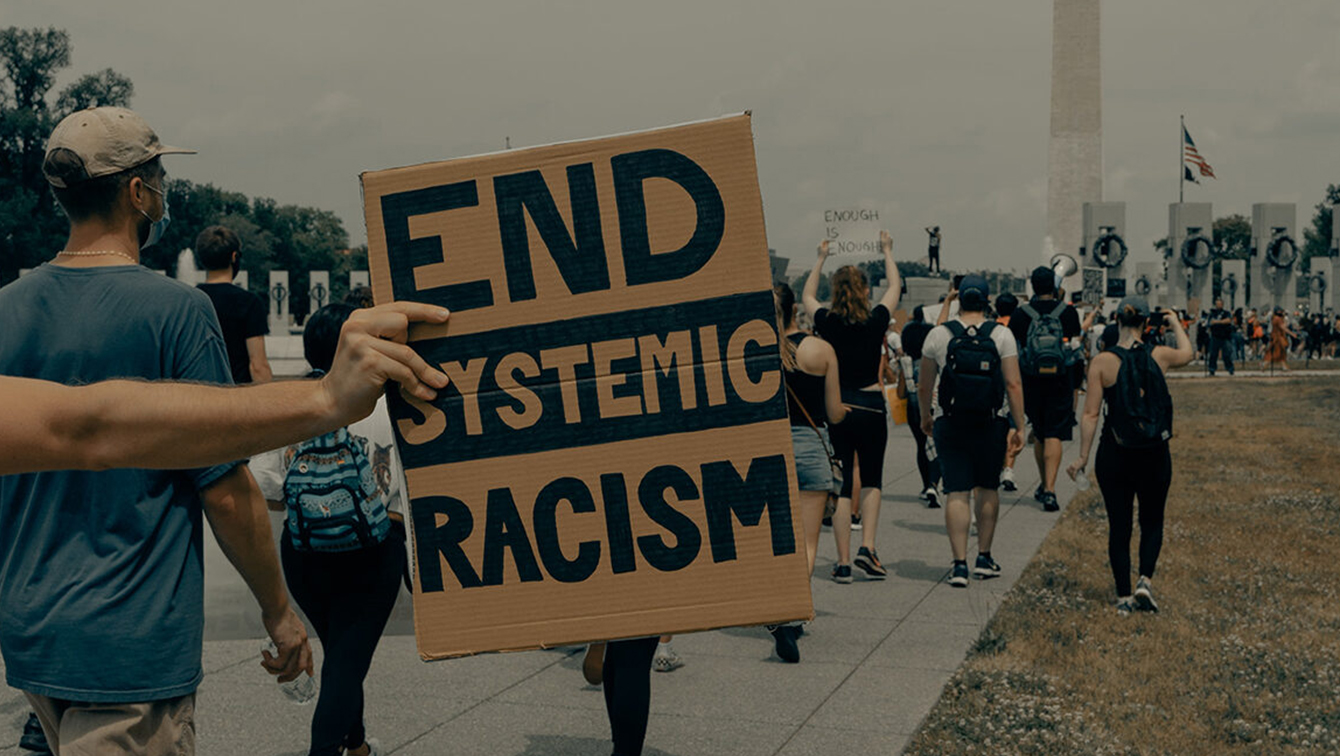
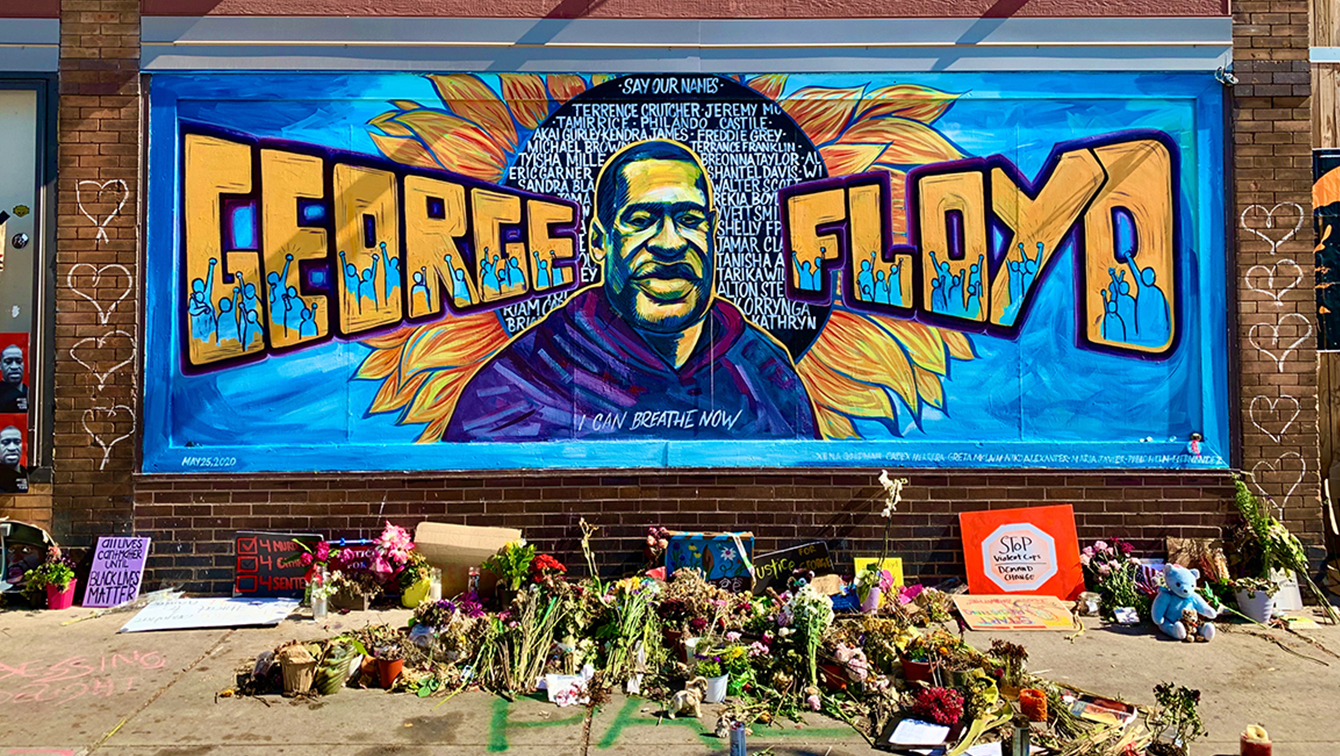
More than a year since the murder of George Floyd in Minneapolis, how have community leaders, organizers, and activists continued to champion criminal justice reform and call for action to stop continued police violence? What has been the impact on them, and what types of reforms have had the most impact, locally? What changes would they like to see implemented in the future? And how does all this fit in with the MacArthur Foundation’s Safety and Justice Challenge (SJC) and its goal of reducing jail populations across America?

Ashley Goldon, a fellow with JustLeadership USA, is a member of the Steering Committee for a new cohort of SJC cities and counties that will deepen their efforts to eliminate racial disparities in their justice system. She is also in the process of gathering support to qualify as a licensed social worker and points out that the profession of social work identified mass incarceration as a priority problem more than a decade ago.

“George Floyd’s death was a catalyzing moment,” she said. “But I still don’t think people really grasp the true weight of racism and its effects on society. By that I mean how deep the issue runs. Even with our justice reform efforts, I still think people miss how it’s connected to racism, and that’s just incredible.”

It is a theme echoed across the activist landscape—that cries of racial injustice are not new, but that many in the movement for criminal justice reform continue to underestimate the importance of racial equity. Nevertheless, George Floyd’s death did shift that consciousness slightly, people said.

“There’s a clear reality that racial injustice in the criminal justice system has been going on longer than a year or so,” said Keith Smalls, a community representative on the Charleston County Criminal Justice Coordinating Council. “But what’s shifted in the year since George Floyd’s death is that our White neighbors have also got on board and said we need change to happen, particularly where law enforcement is concerned. When you look at the crowds protesting it’s not just Black people. It’s White allies too. And that has made a difference.”

Mr. Smalls said criminal justice reform will not be credible until more people who have experience of incarceration are brought to the decision-making table. But he expressed hope that senior executives at corporations across America are lending their weight to calls for change at the policy level.

“What we’re saying is no longer falling on deaf ears,” he said.

Jose Bernal is with the Ella Baker Center, and a longstanding community leader in San Francisco. He was the SJC representative on San Francisco’s Reentry Council, where he was part of the movement that successfully worked for the closure of a seismically unfit jail facility, 850 Bryant Street, in 2020. Mr. Bernal was incarcerated at the jail just under a decade ago and spent most of his time in San Francisco’s jail system in an isolation cell behind Plexiglas, under constant bright lights.

“The conditions of confinement I experienced never helped me in any way,” he said. “Instead, they just made my desire to end my own life stronger. I’m only alive today because my family always came to visit me and didn’t give up on me.”

The COVID-19 pandemic, coupled with Mr. Floyd’s death, brought about “a reckoning,” he said, which was a factor in the closure of the jail. San Francisco’s Board of Supervisors had been talking about closing 850 Bryant since 1996. But for some of the supervisors voting for the closure, the reckoning was a factor in their support. Fifty percent of San Francisco’s incarcerated population are Black people, even though they make up fewer than five percent of the city and county’s population. “We still have a long way to go,” Mr. Bernal said. “But facilities like 850 Bryant are symbols of an era of mass incarceration we must get out of. We can’t erase our history, but we can create our future, and our elected officials have the power to lead us forward.”

In other jurisdictions too, elected officials have found support for reforms. Portland City Council in Oregon voted in 2020 to cut $15 million from the Police Bureau, eliminating 84 positions. One city council member described the budget as a “moral document.” Multnomah County, in which Portland is located, is an SJC site.

“We are at the cusp of meaningful change,” said Portland’s former Assistant Police Chief Kevin Modica, who recently retired. At the police bureau he was a member of the Multnomah County SJC cohort, and he is now an outspoken advocate for police reform. He continues to work on the mission of reducing racial and ethnic disparities in the criminal justice system, particularly at the initial point of contact, which is usually through contact with the police.

“The profession of peace keeping must evolve if it is to serve the public in the best way, considering some of the toughest circumstances,” he said. “We need to reconstitute an agency at the right size, that is right-minded, and for the benefit of the whole community.”

In Cook County, Kim Davis-Ambrose works in the county president’s office for the Justice Advisory Council. She has been working with community advocates and consultants at Everyday Democracy to take the county through a dialogue to change process.

“People feel as though the justice system is a more sophisticated form of slavery,” she said. “They feel like it’s a money-making system, especially with the privatization of the prisons. And when you look at the police in terms of the inequities and injustices and how it has always been, their code of silence, how they overpoliced their communities, and how the accountability and the transparency [do] not exist, that’s hard. People feel the public defenders are not working with them. They feel like if you are arrested and have a criminal background, that never goes away. And most importantly, they talk a lot about how hard it will be to fix things, and how there is a lack of hope.”

It’s important not to deny or sugarcoat these feelings. But by taking people through an intentional process, Ms. Davis-Ambrose said they at least feel listened to, and begin to recognize the opportunity for change.

In New Orleans, Sade Dumas runs the Orleans Parish Prison Reform Coalition, and has seen the jail population reduced from thousands to 774 in her time in the city. Her organization was started in 2004 by a diverse, grassroots group of people with the shared goal of shrinking the size of the main New Orleans jail and improving conditions of confinement inside. It includes community activists, lawyers, service providers, formerly incarcerated people, and their family members.

Born in the majority Black and marginalized Lower Ninth Ward, which was devastated by poorly maintained levees that broke during Hurricane Katrina, Ms. Dumas remembers neighbors calling the police in her youth, and the police simply not showing up, just as rescue was slow to arrive for Black families stuck on their rooftops in the wake of the broken levees.

“It means the idea of defunding the police has a different connotation for me, because I grew up in an area where the police weren’t showing up even when they were technically funded,” she said.

Ms. Dumas said that the year since Mr. Floyd’s death has brought positive changes in the city—in particular, further reductions in the jail population—but that the changes continue to be gradual. A new, more progressive district attorney, Jason Williams, has promised to deliver change, she said. But at the same time, the local sheriff responsible for running the Orleans Parish Prison is pushing for an 89-bed psychiatric jail as part of the facility.

“We know that people living with mental illness do not belong in the jail,” she said. “And yet the sheriff has been pushing to house more of them, every step of the way. And the community is fighting him on this. People with mental health challenges leave that place worse off if they leave at all.”

On the state policy level, the 2020 racial justice protests have had an impact, but they have also meant it is important to tread carefully around the issue of race with state legislators to get policy passed, said Will Snowden, director of the New Orleans Office of the Vera Institute of Justice.

What I would share is the conversation about race in the South is still very polarizing,” he said. “So even when I go to the state capitol to talk about any legislation that we might be supporting, I have to do this calculus. Do I stay true to what the data tells me in terms of how there are disparities largely representing overrepresentation of Black men in our criminal legal system? Or do I talk about some other things and make race equality my second or my third point? I think I’m going to turn some of the legislators off.”

George Floyd’s death and the subsequent protests have brought a lot of attention and focus to policing in America, Mr. Snowden said. But “there is a polarizing effect that I think has been created from the movement that was inspired after George Floyd.”

Mr. Snowden said the polarization is “not necessarily a bad thing,” but that it “adds to the calculus that I have to do in my policy work.”

Thanks to the advocacy of Vera and others, including impacted people with the Voice of the Experienced, Governor of Louisiana John Bel Edwards just signed a bill into law restoring jury rights to people with felony convictions. Vera first tried to get the bill passed in 2019 when Mr. Snowden was talking more about race with legislators.

“I did talk about race, and the reaction that we got was a teachable moment,” Mr. Snowden said. “Because when we bought it up in 2021, we didn’t talk about race in terms of the benefits. We talked about how when people are returning home from prison, they paid their debt to society. They’re concerned about safety just as much as everyone else. And so, they should have the right to serve on a jury to vote in favor or against their fellow community member, just in the same way they vote for their judges and their state representatives. If we want people to reenter into our communities, restoring those rights as a part of that process is a priority.”

This time around, Mr. Snowden points out, the most important thing for his work is that the bill passed.

Dialogue and collaboration between community members and law enforcement leadership can still have positive impacts. Erik Bringswhite is a Native American activist in Pennington County, South Dakota, another SJC site. He serves on the local criminal justice coordinating group with law enforcement leadership and is focused on helping to reduce racial disparities and improve equity.

“When I first came on board, it was as a community member, and I had very little faith, or trust, or belief in the system,” he said. “But I’ve got to say that in personalizing and looking beyond the title of the person, like the sheriff, the chief judge, or the state’s attorney, and just having this human interaction and discussion, these guys have convinced me of their sincerity and the genuine efforts to really, really change the things that are not working for the community. That is huge.”

Santa Clara County, CA

Action Areas Bail Behavioral Health Diversion Racial and Ethnic Disparities

Last Updated

Background & Approach

Santa Clara County is located at the southern end of San Francisco Bay and contains the city of San Jose. Santa Clara County aimed to reduce the overall jail population through decreasing the use of money bail, maintaining manageable and low intensity supervision levels, diverting people with mental illness from jail to community treatment centers, increasing law enforcement agencies’ use of the Mission Street Recovery Station (sobering, mental health/drug triage), launching a public defender pre-arraignment representation unit, and continuing remote in-custody arraignments.

Santa Clara County also created strong policies and procedures to reduce racial and ethnic disparities. A new dashboard now visually highlights the inequities in the criminal justice system. The Re-entry Racial Equity Agency Leadership (REAL) Team developed key strategies to enhance opportunities for increasing equity within the county, such as bringing awareness to both staff and clients, streamlining and increasing access to services, and collaborating with other agencies on racial justice work.

Santa Clara County continues to engage with the Safety and Justice Challenge Network to rethink and redesign its criminal justice system so that it is more fair, just, and equitable for all.

Lead Agency

Office of the County Executive

Contact Information

Javier Aguirre
Director of Reentry Services

Partners

Office of the County Executive, Office of the Public Defender, Pretrial Services, Re-Entry Network Governance

Blog Posts

Franklin County, OH

Action Areas Collaboration Racial and Ethnic Disparities

Last Updated

Background & Approach

Franklin County is Ohio’s most populous county and contains the state capital, Columbus. Franklin County planned and executed the Achieving Cultural Confidence and Enhancing Specialized Support (ACCESS) project to coordinate local stakeholders in an effort to reduce racial and ethnic disparities in participation in the Franklin County Municipal Court specialized dockets. Franklin County was able to analyze specialized court docket data, policies, and procedures, and identify the key factors driving the racial disparities in the county’s five specialized court dockets. Franklin County completed and submitted a final report and recommendations to all participating stakeholders.

Franklin County continues to engage with the Safety and Justice Challenge Network to rethink and redesign its criminal justice system so that it is more fair, just, and equitable for all.

Lead Agency

Franklin County Office of Justice Policy & Programs

Contact Information

Johnny Turner
jdturner@franklincountyohio.gov

Partners

Franklin County Municipal Court Specialized Docket Division, Franklin County Reentry Coalition, Kirwan Institute for the Study of Race & Ethnicity, Legal Aid Society of Columbus, Franklin County Municipal Court Self Help Resource Center, Public Defenders Office, Community-Based Behavioral Health Care Services, Columbus Urban League, Peer Center, Afrocentric Personal Development Services, Project Linden, Columbus Health Department, Ohio State University Extension Center

Blog Posts

Perspective: Five myths about criminal justice

By: Laurie Garduque

COVID Crime Racial and Ethnic Disparities June 24, 2021

Being “tough” on crime doesn’t always make sense.


Originally published on washingtonpost.com on November 25, 2020 at 5:55 p.m. EST

The movement to end police violence against Black communities has brought heightened attention to criminal justice issues amid a global pandemic. The FBI recently released the 2019 “Crime in the United States” report, which looks at last year’s trends. The data is easily cherry-picked to push false narratives around what works — and what doesn’t — to fight crime. Here are some dangerous misconceptions to look out for.

Myth No. 1

Responses to the pandemic are driving crime rates up.

Since March, the coronavirus has created a public health crisis in jails, where social distancing is extremely challenging for people awaiting their trials. Many jurisdictions have released people who do not pose a threat to the community and have shifted their arrest strategies to keep people out of jail in the first place. Critics say the releases are leading to a rise in crime. For example, William Johnson, executive director of the National Association of Police Organizations, argues that “releasing individuals, who by definition are not safe to be among the public, in the name of improving public welfare is nonsensical.” Similarly, Kent Scheidegger, legal director of a victims rights advocacy group, the Criminal Justice Legal Foundation, warns that “as the country reopens, the effect of releases will show in statistics as well.”

But the decrease in jail populations due to the coronavirus is not causing an increase in crime. Overall, crime has been steadily declining in recent years, and pandemic-related jail policies haven’t affected it. A new report from the JFA Institute looking at the impact of the outbreak on crime, arrests and jail populations suggests that reform strategies that have been in place over the past six months have reduced jail populations while not affecting crime. In places like San Francisco and Charleston County, S.C., the report showed that crime rates overall have not been influenced significantly by local justice systems’ responses to the coronavirus and that some crimes have fallen since the beginning of the pandemic. Studies have found that unnecessarily jailing people endangers the health and safety of individuals held in jails, those who work in jails and the broader community. Research has also shown that over-punishing people at low risk of committing more crimes turns them into people at high risk of committing more crimes — so we are paying huge amounts of money to create a public safety problem through mass incarceration.

Myth No. 2

Protests for racial justice are causing an increase in crime.

Demonstrations against the deaths of Black people at the hands of police have continued nationwide since the killing of George Floyd in May. Conservative media outlets argue that these protests are leading to an increase in crime. “What we have witnessed these past few tumultuous nights is not America. It is an anarchist’s dream,” a Washington Examiner columnist thundered in June. In the Wall Street Journal, Paul Cassell wrote: “What changed in late May? The antipolice protests that began across the country around May 27 appear to have resulted in a decline in policing directed at gun violence, producing — perhaps unsurprisingly — an increase in shootings.”

But contrary to the claims of some leaders that cities are “plagued by violent crime,” a new Center for American Progress analysis shows that violent crime rates decreased from 2019 to 2020 in more than half of the 25 largest U.S. cities, including New York and Seattle, and in some smaller metros such as Portland, Ore. The data also show that while homicide is up from 2019 to 2020 in five of the largest U.S. cities, those increases began before the protests started in June.

The protests are not causing an increase in crime — they are causing cities and counties across the country to have conversations about transformational change in their criminal justice systems, such as alternatives to police, corrections and courts.

Myth No. 3

We must remain ‘tough on crime.’

Some leaders say the only way to keep communities safe is to be “tough on crime” and lock up criminals. Attorney General William Barr has said that reform efforts are “pushing a number of America’s cities back toward a more dangerous past.” And in an opinion piece in the National Review, former deputy attorney general George J. Terwillenger III claimed, “Perhaps someone will figure out a way to neutralize chronic violent offenders without incarceration, but until they do the choice is simply to either put the repeat violent offender away or leave him on the street to make more victims.”

But research has shown that “tough” methods are a waste of resources. Tactics such as stop-and-frisk and the misuse and overuse of jails are discriminatory and do not keep communities safe. Someone who spends time in jail is statistically more likely to reoffend and end up back in the system. And a study from the Pretrial Justice Institute shows that as few as three days spent unnecessarily in jail can have collateral consequences for a person’s life, such as the loss of a job and health benefits and time away from family obligations. Cities and counties have been able to safely release people pretrial without seeing an increase in rates of rearrest or failure to appear. Rather than being “tough on crime,” investing in the needs of the community (and the people most affected by crime) is the most effective way to keep communities safe.

Myth No. 4

One year of crime data can show a trend.

Headlines — such as the New York Times‘ “In Emptier Subways, Violent Crime Is Rising” or the Crime Report’s “‘Steep Increase’ in Violent Crime Reported This Year” — suggest a record year for crime and that communities are unsafe as a result. This narrative is furthered by reports that cherry-pick data to undermine reform efforts.

In reality, analyzing crime rates is complicated. As we review the analysis of annual crime trends in the FBI’s report on 2019, we must keep in mind that historical context is key to ensuring a true “apples to apples” comparison. Year-to-year crime stats do not paint the most accurate picture; trends over decades do. Pointing to a current, or even seasonal, spike in certain crimes — for example, the recent jump in homicides in cities across the country — ignores that overall crime, including violent crime and homicides, is significantly lower now than in the 1980s and ’90s.

Many factors influence fluctuations in crime rates, such as the tendency for crime to rise in the spring and summer and decline in the fall and winter, or changes in policing tactics. An uptick or downturn in any one year doesn’t necessarily signal a larger trend.

Myth No. 5

Criminal justice reform means more crime.

We’ve seen leaders hesitate to engage in criminal justice reform strategies because they seem too new, nuanced or radical. Law enforcement officials and prosecutors across the country have been outspoken critics of policies to reduce or eliminate cash bail. Georgetown University law professor Bill Otis, nominated to the U.S. Sentencing Commission by President Trump, called efforts toward sentencing reform “more-crime-faster proposals.”

But cities and counties have been working for years to implement tested, data-driven reform strategies that keep communities safe while reducing the misuse and overuse of jails. This includes bail reform, which, despite the naysayers, has not been found to increase crime. In research released this month by Loyola University Chicago, scholars found the 2017 order by Chief Judge of the Circuit Court of Cook County Timothy
Evans to reevaluate the use of monetary bail in Cook County, Ill., increased the percent and number of people released pretrial without any associated significant change in new criminal activity, violent or otherwise,
nor any change in the amount of crime in Chicago after 2017. Though critics insist we need to choose between reform and safety, cities and counties are proving that this is a false choice — the system can be made more
fair, and all communities can be kept safe.

Five myths is a weekly feature challenging everything you think you know. You can check out previous myths, read more from Outlook or follow our updates on Facebook and Twitter.

Exploring the Difference Between Racial Equality and Racial Equity

By: Christopher James

Data Analysis Incarceration Trends Racial and Ethnic Disparities May 11, 2021

A focus of the Safety and Justice Challenge is reducing racial disparities amongst the pretrial jail population. We have made progress on reducing overall jail populations, but racial disparities remain pervasive and need our collective focus. Thus it is important that we collectively understand the difference between equality and equity.

We at the W. Haywood Burns Institute work to achieve racial equity and eliminate racial disparities as a technical assistance provider to the Safety and Justice Challenge. I personally have worked with several sites, including Palm Beach County, Florida, Harris County, Texas, New Orleans and East Baton Rouge in Louisiana, and Buncombe County, North Carolina.

Some of our racial equity work has been featured here on the Safety and Justice Challenge blog over recent months. Here’s a post by Yolanda Fair, a public defender in Buncombe County, for example, describing those efforts. Here’s another post on community engagement in New Orleans by Emily Rhodes and Natalie Sharp, who serve on the Community Advisory Group there.

Together, we have been able to highlight the importance of centering community in the SJC’s work. That means going beyond the traditional ‘community engagement’ efforts.

Community engagement, as it is traditionally attempted, tends to involve seasoned justice reform stakeholders reaching out to community stakeholders to say, “Hey, we just wanted to let you know we are doing this.”

But equity requires something more. It would ensure that those overrepresented in justice systems have access to collaboratives where policy is made. It is asking: “Who’s not here in the room?” It means prioritizing experts who have experienced the justice system and sharing decision-making power with them.

Nationwide, since the extrajudicial police killings of George Floyd and Breonna Taylor, among many others, we have seen organizations large and small take well-manicured verbal stances in solidarity and calling for change.

I appreciate the words and sentiments put forth in press releases and the like. The vast majority of them call for equality. There’s nothing wrong with the word or concept of equality. But given this nation’s history, equality is not enough.

Here’s why we must push for equity:

It starts with defining the terms. Merriam-Webster defines equality as “the quality or state of being equal.” Think of this as “treat me just the same as anyone else.” Equity, however, is defined as “justice according to natural law or right, specifically: freedom from bias or favoritism.” Think of this as “respond directly to what I need, even if I need more than others to be made whole.”

I’m not saying equality is not our ultimate goal. I am saying that to start treating, say, the Black community “the same as everyone else” at this point in history will not go far enough in terms of achieving true equality.

In racial justice, equality should be the interpersonal standard. On an individual basis, we should all treat each other the same regardless of race. However, on a systemic level—including individuals acting in official capacities within systems—the standard must be equity.

The history of this nation’s relationship with Black lives begins with slavery—complete racial subjugation of people’s every human right and dignity for profit or whim, which we have updated in various ways since. Examples of this updating over the eras include sharecropping, lynching, convict leasing, Jim Crow, and mass incarceration.

However, these are among the more overt ways the Black community has been marginalized. There are many pervasive ways Black people have been discriminated against, and those policies/practices impact the Black community to this day.

For instance, the GI Bill and its benefits were largely denied to Black people despite their qualifications. It was one of the largest wealth creation policies ever, and a primary catalyst to the development of America’s “middle class,” as well as the expansion of the wealth gap between White and Black people. Similarly, redlining was a practice by which banks would refuse to lend to Black people attempting to move into predominantly White neighborhoods in order to promote segregation. It kept Black people and other people of color in economically depressed areas.

We must understand that exclusionary practices like those listed above impact education funding and quality, job access, and upward mobility. The concentration of poverty and chronic disinvestment drives health and quality of life disparities and, ultimately, disparities within the justice system.

We have a history of intentional, strategic, and systemic racialized oppression which has weakened communities of color through no fault of their own. We must address the intentionally oppressive policies which have upheld this country’s racial caste system for far too long.

We can no longer demand communities of color ‘pick themselves up by the bootstraps’ without providing the support which has been systematically denied them. Here is what Dr. Martin Luther King, Jr. had to say about bootstraps: “White America must see that no other ethnic group has been a slave on American soil.”

Equity means responding directly to the needs of each community, group, or individual. It means that while the response may look different depending on the need, the end result or goal would be to put each community on even footing.

Justice from an equity lens means acknowledging that cash bail systems on average ensure that communities of color, which experience significant wealth inequality compared to White people, will stay in jail and suffer life changing consequences because they can’t afford to pay, or might be more willing to take plea deals when they did not commit a crime, among many other examples.

It is only through racial equity—responsiveness to specific needs in communities of color because of the many forms of historic oppression—that we can ever all be equal.

Relishing the dream of equality without understanding the need for equity will doom us to repeat history—even the history we’re living today.

—Christopher James is a member of the Social Justice and Well-being team with the W. Haywood Burns Institute.